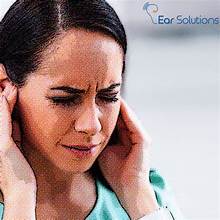
Tinnitus (Ringing in the Ears): Causes, Symptoms, Diagnosis and Treatment
Have you ever heard a ringing, buzzing, humming, hissing, clicking, or whistling sound in your ears even when there is no external source of sound?
You may be experiencing tinnitus.
Tinnitus is a common ENT problem and can affect people of all ages. For some individuals, it may be temporary and mild, while for others, persistent tinnitus can interfere with sleep, concentration, work, and overall quality of life.
The good news is that tinnitus is often associated with an underlying condition that can be identified and managed. Understanding its cause is an important first step toward appropriate treatment.
What Is Tinnitus?
Tinnitus is the perception of sound in one or both ears, or sometimes inside the head, when there is no corresponding external sound.
People describe tinnitus differently. It may sound like:
Ringing
Buzzing
Humming
Hissing
Clicking
Whistling
Pulsing or whooshing
Tinnitus may occur occasionally or continuously. It can also vary in intensity, becoming more noticeable in quiet surroundings or during periods of stress and fatigue.
Importantly, tinnitus is a symptom rather than a disease itself. Finding out why it is occurring can help determine the most appropriate treatment approach.
What Causes Tinnitus?
Tinnitus can have many possible causes. Some are temporary and easily treatable, while others may require detailed evaluation.
1. Hearing Loss
Age-related hearing loss and noise-induced hearing loss are among the common conditions associated with tinnitus. Damage to the delicate sensory cells of the inner ear can affect how the brain processes sound, sometimes resulting in tinnitus.
2. Exposure to Loud Noise
Regular exposure to loud music, machinery, construction noise, fireworks, or other high-volume sounds can damage the hearing system.
Even a single episode of extremely loud noise can sometimes trigger ringing in the ears.
3. Ear Wax Buildup
Excessive ear wax can block the ear canal and affect hearing. This blockage may sometimes cause or worsen tinnitus.
When impacted wax is responsible, appropriate ear wax removal may improve the symptoms.
4. Ear Infections
Middle-ear or outer-ear infections can cause inflammation, pressure, discomfort, temporary hearing changes, and tinnitus.
Treating the underlying infection may help resolve the associated tinnitus.
5. Certain Medications
Some medications can be associated with tinnitus as a side effect, particularly at certain doses. If you suspect that a medication is contributing to your symptoms, do not stop it on your own. Discuss it with your doctor.
6. Stress and Lack of Sleep
Stress, anxiety, and poor sleep can make tinnitus more noticeable. Although stress may not always be the original cause, it can increase awareness of the sound and make it more difficult to ignore.
7. Inner-Ear Conditions
Certain disorders affecting the inner ear can be associated with tinnitus, hearing changes, or dizziness. These conditions require proper ENT evaluation.
Types of Tinnitus
Tinnitus can be broadly described as subjective or objective.
Subjective Tinnitus
This is the most common type. Only the affected person can hear the sound.
Pulsatile Tinnitus
Pulsatile tinnitus sounds like a heartbeat or rhythmic pulsing. It may sometimes be related to blood-flow changes near the ear or other medical conditions.
Because pulsatile tinnitus can have different causes, it should be evaluated by an ENT specialist, particularly when it is persistent or occurs on one side.
When Should You See an ENT Specialist?
Occasional tinnitus after exposure to loud sound may settle on its own. However, medical evaluation is recommended if tinnitus is:
Persistent or recurrent
Increasing in intensity
Present mainly in one ear
Associated with hearing loss
Associated with dizziness or imbalance
Associated with ear pain or discharge
Pulsating in rhythm with your heartbeat
Sudden in onset
Sudden tinnitus accompanied by sudden hearing loss requires prompt medical attention because some causes of sudden hearing loss are time-sensitive.
How Is Tinnitus Diagnosed?
There is no single test that diagnoses every case of tinnitus. Your ENT specialist will first take a detailed history and examine your ears.
Depending on your symptoms, evaluation may include:
Ear Examination
The ear canal and eardrum are examined to look for wax, infection, inflammation, or other abnormalities.
Hearing Test
An audiological assessment can determine whether hearing loss is present and identify the type and degree of hearing impairment.
Additional Investigations
Further investigations may be recommended in selected patients, particularly when tinnitus is one-sided, pulsatile, associated with neurological symptoms, or accompanied by other concerning findings.
The investigations are chosen based on the individual’s symptoms and clinical examination.
How Is Tinnitus Treated?
There is no single treatment that works for every person with tinnitus. Treatment depends on the underlying cause.
Treating Ear Wax
If excessive ear wax is responsible for the symptoms, appropriate professional removal may relieve the tinnitus.
Treating Ear Infections
If an infection is identified, appropriate medical treatment can help resolve the infection and associated symptoms.
Managing Hearing Loss
When tinnitus is associated with hearing loss, hearing rehabilitation may reduce the perception of tinnitus and improve communication.
Sound Therapy
Some people find relief by using gentle background sounds, such as soft music, white noise, fans, or specially designed sound therapy.
The goal is not necessarily to eliminate the tinnitus immediately, but to make it less noticeable and less disturbing.
Stress and Sleep Management
Improving sleep, reducing stress, and maintaining a healthy routine can help some people cope better with tinnitus.
Relaxation techniques, regular physical activity, and avoiding excessive caffeine when it worsens symptoms may also be helpful.
Counseling and Tinnitus Management
For persistent tinnitus that significantly affects quality of life, structured counseling and tinnitus-management strategies can help patients reduce their distress and improve their ability to cope with the sound.
Can Tinnitus Be Prevented?
While not every case can be prevented, protecting your hearing can significantly reduce the risk of noise-related tinnitus.
Follow these simple precautions:
Avoid prolonged exposure to loud sounds.
Use appropriate hearing protection in noisy environments.
Keep personal audio devices at a safe volume.
Take breaks from headphones or earphones.
Avoid inserting objects into the ear canal.
Treat ear infections promptly.
Get hearing checked if you notice changes in hearing.
Common Questions About Tinnitus
Is tinnitus always a sign of hearing loss?
No. Tinnitus can occur with hearing loss, but it can also occur for other reasons such as ear wax, infections, noise exposure, medications, or other conditions.
Can tinnitus go away on its own?
Yes, tinnitus may be temporary in some situations, particularly after short-term exposure to loud noise. However, persistent tinnitus should be evaluated to identify possible underlying causes.
Is tinnitus dangerous?
Tinnitus itself is often not dangerous, but certain patterns—such as sudden onset with hearing loss, persistent one-sided tinnitus, or pulsatile tinnitus—require medical evaluation.
Can ear wax cause tinnitus?
Yes. Impacted ear wax can cause hearing changes and may be associated with tinnitus. If you suspect ear wax blockage, professional examination is preferable to inserting cotton buds or other objects into the ear.
Final Takeaway
Tinnitus can be frustrating, especially when the ringing or buzzing becomes persistent. However, it should not simply be ignored.
Because tinnitus can have many different causes, the right approach is to identify and manage the underlying problem whenever possible.
If you experience persistent ringing in the ears, hearing loss, dizziness, ear pain, ear discharge, or pulsatile tinnitus, consult an ENT specialist for a proper evaluation.
Your Hearing Deserves Attention
Don’t ignore persistent ringing in your ears. Early evaluation can help identify the cause and guide appropriate treatment.
Disclaimer : This blog is for educational purposes only and does not replace professional medical advice. Always consult a qualified healthcare provider for diagnosis and treatment.