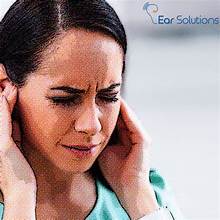
Hearing is an important part of communication and everyday life. It allows us to connect with family, participate in conversations, enjoy music, and remain aware of our surroundings. When hearing starts to decrease, one of the first questions many people ask is:
“Is my hearing loss permanent?”
The answer is: not always.
Hearing loss can be temporary or permanent depending on its underlying cause. Problems such as ear wax buildup, ear infections, or blockage of the Eustachian tube may cause temporary hearing difficulties, while age-related changes, prolonged exposure to loud noise, and certain inner-ear conditions may result in long-term hearing loss.
The key is to identify the cause early and determine whether the hearing loss can be treated, reversed, or effectively managed.
What Is Hearing Loss?
Hearing loss means a reduced ability to hear sounds normally. It may affect one ear or both ears and can develop suddenly or gradually.
Some people notice obvious hearing difficulty, while others experience subtle changes such as:
Frequently asking people to repeat themselves
Increasing the television volume
Difficulty understanding speech in noisy places
Feeling that people are mumbling
Difficulty hearing on the telephone
Missing high-pitched sounds
Ringing or buzzing in the ears
Hearing loss can occur at any age and should not automatically be considered a normal part of getting older.
Is Hearing Loss Always Permanent?
No.
The possibility of recovery depends primarily on what is causing the hearing loss.
Some causes are easily treatable, while others involve damage to the delicate structures of the inner ear and may require long-term hearing rehabilitation.
Let’s look at some common causes.
Temporary Causes of Hearing Loss
1. Ear Wax Buildup
Ear wax is natural and protects the ear canal. However, excessive or impacted wax can block sound from reaching the eardrum effectively.
This may cause:
Muffled hearing
Ear blockage
Fullness or pressure
Ringing in the ear
When impacted ear wax is the cause, hearing may improve after safe removal.
Avoid using cotton buds or sharp objects inside the ear, as they can push wax deeper or injure the ear canal.
2. Ear Infections
Middle-ear infections can cause fluid and inflammation behind the eardrum, resulting in temporary hearing reduction.
Outer-ear infections can also cause swelling of the ear canal and affect hearing.
Once the underlying condition improves, hearing may return to normal in many cases. However, persistent hearing changes require an ENT evaluation.
3. Eustachian Tube Dysfunction
The Eustachian tube helps equalize pressure between the middle ear and the surrounding environment.
It may become blocked during:
Common colds
Nasal allergies
Sinus problems
Changes in altitude
Air travel
This can create a sensation of blocked ears, popping, pressure, or muffled hearing.
Treating the underlying nasal or ear condition can help improve hearing in appropriate cases.
Causes That May Lead to Permanent Hearing Loss
4. Age-Related Hearing Loss
As we age, gradual changes can occur in the inner ear and hearing pathways.
Age-related hearing loss often affects both ears and may initially make it difficult to understand speech, especially in noisy environments.
Although age-related hearing loss cannot always be reversed, early evaluation and appropriate hearing rehabilitation can significantly improve communication and quality of life.
5. Noise-Induced Hearing Loss
Repeated exposure to loud sounds can damage the delicate sensory cells of the inner ear.
Common sources include:
Loud music
Industrial machinery
Construction noise
Fireworks
Prolonged headphone use at high volume
Noise-induced hearing loss can be permanent, which is why prevention is extremely important.
Use appropriate hearing protection in noisy environments and keep personal audio devices at a safe volume.
6. Inner-Ear Disorders
Conditions affecting the inner ear can cause hearing loss, sometimes along with tinnitus or dizziness.
The degree and permanence of hearing loss depend on the specific condition and the extent of damage.
Proper evaluation is important to determine the type of hearing loss and appropriate management.
Sudden Hearing Loss: Don’t Wait
One of the most important situations involving hearing loss is sudden sensorineural hearing loss.
If you suddenly notice a significant reduction in hearing, particularly in one ear, it should not simply be assumed to be ear wax or an infection.
Sudden hearing loss may sometimes be accompanied by:
Ringing in the ear
Ear fullness
Dizziness
Sudden hearing loss requires prompt medical assessment.
Early evaluation is important because some causes may benefit from time-sensitive treatment.
If you suddenly notice that one ear is not hearing normally, seek medical attention promptly rather than waiting several days to see if it improves.
How Is Hearing Loss Diagnosed?
The first step is a detailed ENT examination.
Your doctor may examine the ear canal and eardrum to identify:
Ear wax
Infection
Fluid
Eardrum abnormalities
Other visible causes of hearing difficulty
A hearing test (audiometry) is often an important part of the evaluation.
It helps determine:
The degree of hearing loss
Whether one or both ears are affected
The type of hearing loss
Which frequencies are affected
Additional tests may be recommended depending on the patient’s symptoms and examination findings.
Types of Hearing Loss
Hearing loss is commonly classified into three major types.
Conductive Hearing Loss
This occurs when sound cannot travel efficiently through the outer or middle ear.
Possible causes include:
Ear wax
Ear infections
Fluid in the middle ear
Eardrum problems
Certain middle-ear conditions
Some causes of conductive hearing loss can be treated or reversed.
Sensorineural Hearing Loss
This occurs when there is damage involving the inner ear or the auditory nerve pathways.
Common causes include:
Age-related hearing loss
Noise exposure
Certain inner-ear disorders
Sensorineural hearing loss may be permanent, although appropriate management can often improve communication and quality of life.
Mixed Hearing Loss
Mixed hearing loss involves both conductive and sensorineural components.
Treatment depends on the specific causes involved.
Can Hearing Loss Be Treated?
Treatment depends on the underlying cause.
Depending on the diagnosis, management may include:
Safe ear wax removal
Treatment of ear infections
Management of nasal allergy or Eustachian tube dysfunction
Medical treatment for appropriate inner-ear conditions
Surgical treatment for selected ear conditions
Hearing aids
Other hearing rehabilitation options
Not every patient requires a hearing aid or surgery. The appropriate treatment should be based on the type and severity of hearing loss.
When Should You See an ENT Specialist?
You should consider an ENT evaluation if you experience:
Persistent hearing difficulty
Hearing loss in one ear
Sudden hearing loss
Recurrent ear infections
Ear discharge
Ear pain with hearing changes
Persistent ear blockage
Ringing in the ears
Dizziness associated with hearing changes
Difficulty understanding conversations
Even mild hearing changes are worth evaluating if they persist or interfere with daily life.
How Can You Protect Your Hearing?
Many forms of hearing loss can be prevented or their progression reduced by protecting your ears.
Follow these simple tips:
✔️ Keep the volume of headphones and personal audio devices at a safe level.
✔️ Take regular breaks from prolonged headphone use.
✔️ Use appropriate hearing protection around loud machinery or music.
✔️ Avoid inserting cotton buds or other objects into the ear canal.
✔️ Treat persistent ear infections and nasal conditions appropriately.
✔️ Get your hearing checked if you notice changes.
✔️ Seek prompt medical attention for sudden hearing loss.
Frequently Asked Questions
Can hearing loss from ear wax be permanent?
Hearing loss caused solely by impacted ear wax is generally conductive and may improve after appropriate wax removal. However, hearing loss should not automatically be attributed to wax without examination.
Can hearing loss after an ear infection recover?
In many cases, hearing may improve as inflammation or middle-ear fluid resolves. Persistent hearing loss should be assessed.
Is age-related hearing loss reversible?
Age-related sensorineural hearing loss is generally not reversible, but hearing aids and other rehabilitation options can significantly improve communication.
Can loud music cause permanent hearing loss?
Yes. Repeated or intense exposure to loud sounds can damage the inner ear and result in permanent hearing loss.
What should I do if I suddenly lose hearing in one ear?
Seek medical attention promptly. Sudden hearing loss can require time-sensitive evaluation and treatment.
Final Takeaway
Hearing loss is not always permanent.
Some causes, such as impacted ear wax, ear infections, and Eustachian tube problems, may cause temporary hearing difficulty and can improve with appropriate treatment. Other causes, including age-related or noise-induced inner-ear damage, may result in permanent hearing loss but can often be effectively managed.
The most important step is not to guess the cause.
If you notice persistent, worsening, one-sided, or sudden hearing loss, an ENT examination and appropriate hearing test can help determine what is happening and what treatment or rehabilitation may be suitable.
Protect Your Hearing. Don’t Ignore the Signs.
Hearing loss? Don’t wait and wonder. Get your hearing evaluated.
Disclaimer : This blog is for educational purposes only and does not replace professional medical advice. Always consult a qualified healthcare provider for diagnosis and treatment.