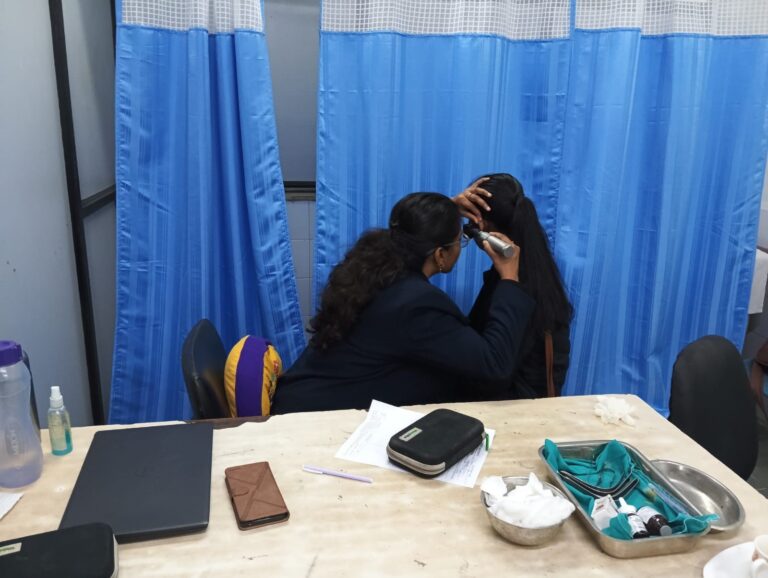
Sudden Hearing Loss:
Causes, Symptoms, and Treatment
Sudden hearing loss can be a frightening experience. One day you are hearing normally, and the next, sounds feel muffled, distant, or completely absent in one ear. This condition, known medically as Sudden Sensorineural Hearing Loss (SSNHL), requires urgent medical attention.
In this blog, we will discuss what sudden hearing loss is, its possible causes, warning signs, and available treatment options, to help you seek timely care and protect your hearing.
What Is Sudden Hearing Loss?
Sudden hearing loss is defined as a rapid loss of hearing—usually in one ear—occurring over a period of a few hours to three days. It commonly involves a decrease of at least 30 decibels across three consecutive frequencies.
Many people describe it as:
A feeling of ear blockage
Sudden deafness in one ear
Ringing in the ear (tinnitus)
Dizziness or imbalance
Because it develops quickly, it is often mistaken for earwax buildup or a minor ear infection. However, delaying treatment can lead to permanent damage.
Common Causes
In many cases, the exact cause of sudden hearing loss cannot be identified. However, some known causes include:
1. Viral Infections
2. Blood Circulation Problems
3. Autoimmune Disorders
4. Head Injury or Trauma
5. Ototoxic Medications
Certain medicines can damage hearing when used improperly.
6. Tumors
Symptoms to Watch For
Seek medical help immediately if you notice:
Sudden decrease in hearing
Ringing or buzzing sounds
Ear fullness
Vertigo or dizziness
Difficulty understanding speech
Early treatment significantly improves recovery chances.
Diagnosis
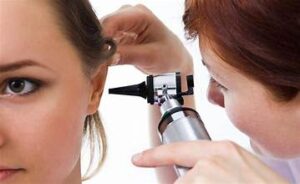
An ENT specialist may perform:
Pure tone audiometry
Tympanometry
Blood tests
MRI or CT scan (if required)
These tests help determine the type and cause of hearing loss.
Treatment Options
Treatment should ideally begin within 24** hours** of symptom onset.
1. Steroid Therapy
Steroids reduce inflammation and swelling in the inner ear. They may be given orally or through injections into the ear.
2. Antiviral or Supportive Medications
If infection is suspected, appropriate medicines may be prescribed.
3. Hyperbaric Oxygen Therapy
In selected cases, oxygen therapy can improve inner ear oxygen supply.
4. Hearing Rehabilitation
If recovery is incomplete, hearing aids or cochlear implants may help restore communication.
Can Sudden Hearing Loss Be Prevented?
Not all cases can be prevented, but you can reduce risk by:
Avoiding excessive noise exposure
Using medicines only as prescribed
Managing chronic illnesses
Protecting your head from injury
Seeking early medical care for ear problems
When to See a Doctor
Sudden hearing loss is a medical emergency. Consult an ENT specialist immediately if you experience any sudden change in hearing. Early diagnosis and treatment can make a major difference.
Final Thoughts
Sudden hearing loss can affect your quality of life, communication, and emotional well-being. The good news is that many patients recover partially or fully when treated early. Awareness and prompt action are key.
If you or someone you know experiences sudden hearing changes, do not ignore it. Timely medical care can help preserve hearing and improve outcomes.
: This blog is for educational purposes only and does not replace professional medical advice. Always consult a qualified healthcare provider for diagnosis and treatment.