NOSE BLEED (NASAL BLEED / EPISTAXIS): Know It. Stop It. Prevent It.
Nosebleeds can be alarming, but understanding them empowers you to handle them confidently. Whether it’s a sudden drip during dry winters or after a minor bump, epistaxis—a medical term for nosebleed—is one of the most common issues seen in ENT clinics. Let’s break it down: what causes it, how to stop it safely, when to seek help, and simple ways to prevent it. Your health matters—early care leads to better comfort and confidence.
What is a Nosebleed?
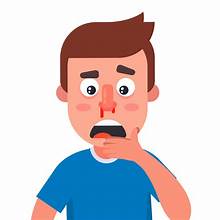
A nosebleed occurs when tiny blood vessels inside your nose rupture and bleed. The nose’s inner lining is rich with fragile capillaries, especially in the front section called Little’s area, making it prone to bleeding. Most are anterior nosebleeds (90%), which start from the front and are easier to control. Posterior ones, from deeper back vessels, are rarer but heavier and often need medical attention.
They’re common across all ages—kids pick their noses, adults battle dry air or allergies.
Common Causes
Several everyday factors can spark a nosebleed:
Dry weather: Low humidity dries out nasal membranes, cracking vessels. Common in winter or air-conditioned rooms.
Nose picking: Even gentle digging scratches delicate tissues.
Colds & allergies: Sneezing, congestion, and inflammation weaken vessels.
Injury to nose: Bumps from sports, falls, or rough nose-blowing.
High blood pressure: Uncontrolled hypertension strains vessels.
Excessive nose blowing: Forceful blowing during colds ruptures capillaries.
Use of nasal sprays: Overuse of decongestant sprays (like oxymetazoline) causes rebound congestion and dryness.
Less common culprits include blood thinners (aspirin, warfarin), clotting disorders, or tumors, but these warrant a doctor’s check.
How to Stop a Nosebleed: Do’s and Don’ts
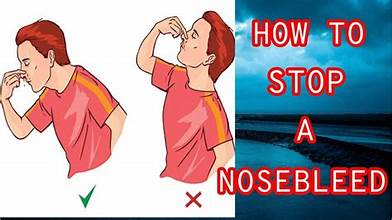
Act fast for quick control. Sit upright, lean slightly forward, and pinch the soft part of your nose (just below the bony bridge) firmly for 10-15 minutes without peeking. Breathe through your mouth. Apply a cold compress to your nose or neck to constrict vessels. Once stopped, avoid blowing or picking for 24 hours.
What NOT to Do:
Do NOT lie down: Blood could flow down your throat, causing nausea or choking.
Do NOT tilt your head backward: Swallowed blood irritates the stomach.
If it restarts, repeat and monitor.
When to See a Doctor?
Most stop within 20 minutes, but seek ENT help if:
Bleeding lasts over 20 minutes despite pinching.
Nosebleeds happen frequently (more than once a week).
Follows an injury or accident.
Heavy blood loss soaks through tissues quickly.
Occurs in children under 2, elderly, or those on blood thinners.
Recurrent cases might signal allergies, hypertension, or growths needing cauterization or imaging.
Prevention Tips
Small habits keep your nose healthy:
Keep nose moist: Use saline sprays or gels daily, especially in dry climates like Bhopal’s winters.
Use a humidifier: Maintain 40-60% indoor humidity.
Avoid nose picking: Trim nails and teach kids gently.
Drink enough water: Hydrate to prevent mucosal dryness.
Control blood pressure: Monitor and manage with lifestyle or meds.
For allergies, antihistamines help; skip overuse of medicated sprays.
Nosebleeds are manageable with knowledge. In my ENT practice, patient education turns panic into poise. Stay vigilant—prevention is simplest surgery.
Disclaimer: This blog is for educational purposes only and does not replace professional medical advice. Always consult a qualified healthcare provider for diagnosis and treatment.