Ear Discharge: Causes, Symptoms, Treatment & When to See an ENT Doctor
Ear discharge is not normal and should never be ignored. While earwax is healthy and protective, pus, fluid, or foul-smelling discharge from the ear often indicates an infection or damage inside the ear.
If you are experiencing ear pain, hearing loss, or fluid coming from your ear, this guide will help you understand the causes, symptoms, treatment options, and when to consult an ENT specialist.
What is Ear Discharge?
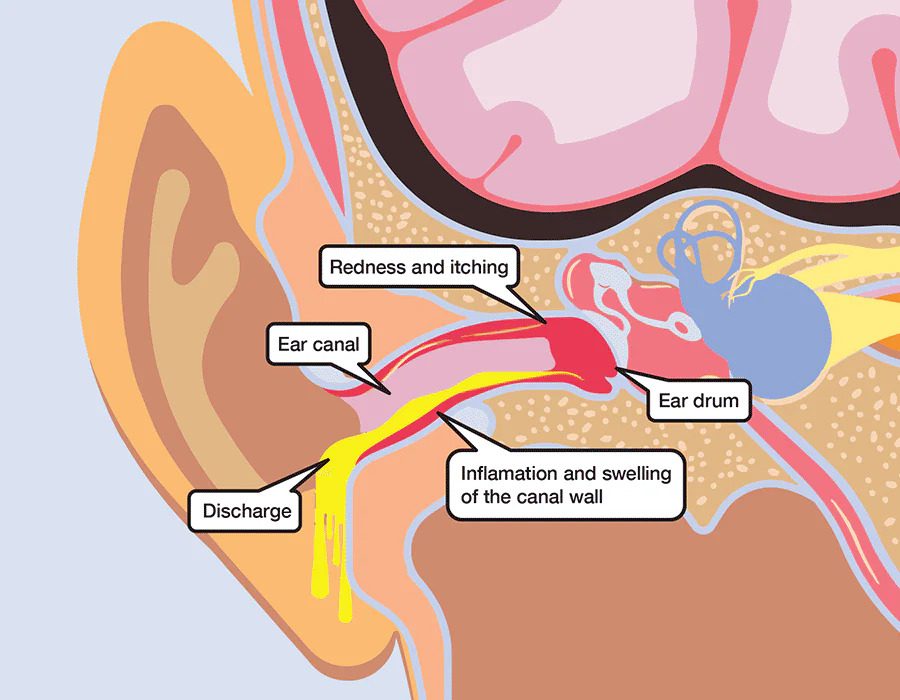
Ear discharge (also called otorrhea) refers to any fluid that comes out of the ear canal. The discharge may appear as:
Yellow or green pus
Clear watery fluid
Thick, sticky discharge
Blood-stained fluid
Foul-smelling secretion
Persistent ear discharge usually signals an underlying ear infection or eardrum problem.
Common Symptoms of Ear Discharge
Ear discharge is often associated with other symptoms. Watch for:
1. Pus or Fluid from the Ear
The most obvious sign. It may stain your pillow or suddenly appear after severe ear pain.
2. Ear Pain
Pain can be mild, moderate, or severe. Sometimes pain reduces once discharge begins due to pressure release inside the ear.
3. Hearing Loss
You may feel ear blockage or reduced hearing due to fluid buildup or eardrum damage.
4. Foul Smell or Itching
Bad-smelling discharge often suggests chronic infection. Itching may indicate fungal infection of the ear.
5. Fever or Dizziness (in severe cases)
These symptoms require urgent medical attention.
What Causes Ear Discharge?
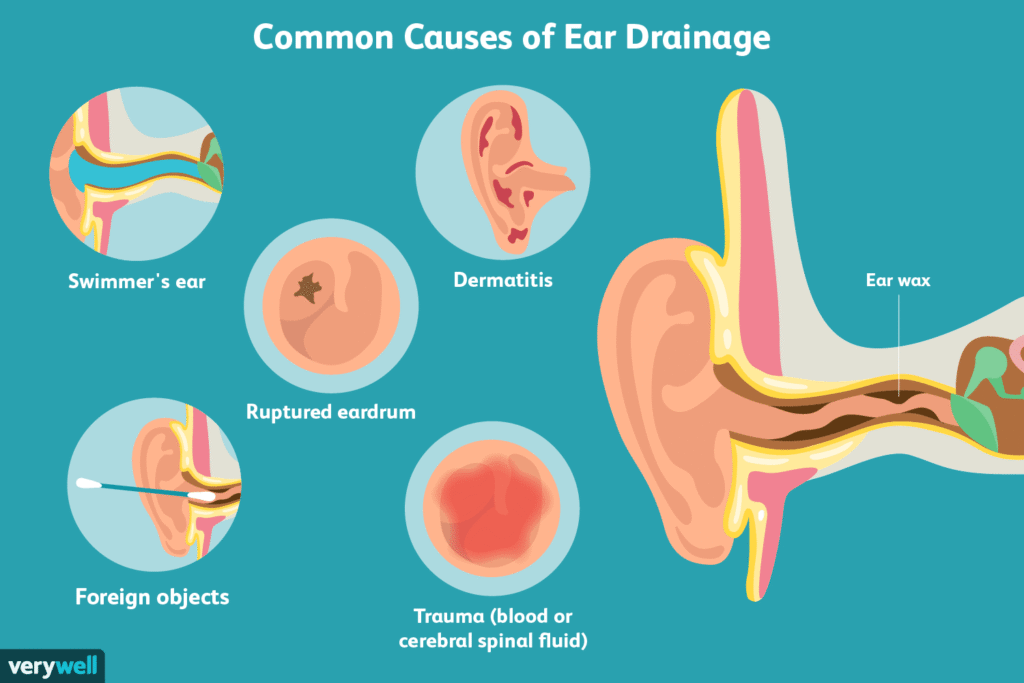
Several ear conditions can lead to discharge. The most common include:
1. Ear Infection (Otitis Media or Otitis Externa)
Middle ear infection (Otitis Media) is common in both children and adults. Pus forms behind the eardrum due to bacterial infection. If pressure builds up, the eardrum may rupture, causing discharge.
Outer ear infection (Swimmer’s Ear or Otitis Externa) affects the ear canal and may cause pain, swelling, and discharge.
2. Eardrum Perforation
A perforated eardrum (hole in the eardrum) can result from:
Untreated infection
Trauma
Inserting sharp objects (earbuds, pins, matchsticks)
Sudden loud noise
Perforation allows infected fluid to drain out.
3. Chronic Suppurative Otitis Media (CSOM)
This is a long-standing ear infection causing repeated or continuous discharge. It may lead to persistent hearing loss if untreated.
4. Fungal Ear Infection
Common in humid climates. Symptoms include itching, thick discharge, and discomfort.
When Should You See an ENT Specialist?
Consult an ENT doctor immediately if you experience:
Discharge lasting more than 1–2 days
Severe ear pain
Hearing loss
Fever
Dizziness
Blood in ear discharge
Early diagnosis prevents complications such as permanent hearing loss or spread of infection.
How is Ear Discharge Treated?
Treatment depends on the underlying cause. Your ENT specialist may recommend:
Antibiotic ear drops
Oral antibiotics (if infection is severe)
Antifungal drops
Professional ear cleaning (aural toileting)
Eardrum repair surgery (Tympanoplasty) for chronic perforation
Avoid self-medication, as improper treatment can worsen the condition.
What NOT to Do
Do not:
Pour oil or home remedies into the ear
Use cotton buds or sharp objects inside the ear
Ignore repeated ear discharge
These practices may push infection deeper or damage the eardrum.
How to Prevent Ear Infections
Keep ears dry during bathing and swimming
Avoid inserting objects into the ear
Treat colds and sinus infections early
Seek prompt treatment for ear pain
Final Takeaway
Ear discharge is a sign that something is wrong inside the ear. Whether due to infection, eardrum perforation, or chronic ear disease, timely treatment is essential to protect your hearing.
If you are experiencing ear discharge, do not delay medical care.
Book an Appointment
Dr Monika Barkhane
ENT Surgeon
🌐 www.drmonikaent.com
Early treatment can prevent complications and restore healthy hearing.
DISCLAIMER:: This blog is for educational purposes only and does not replace professional medical advice. Always consult a qualified healthcare provider for diagnosis and treatment.