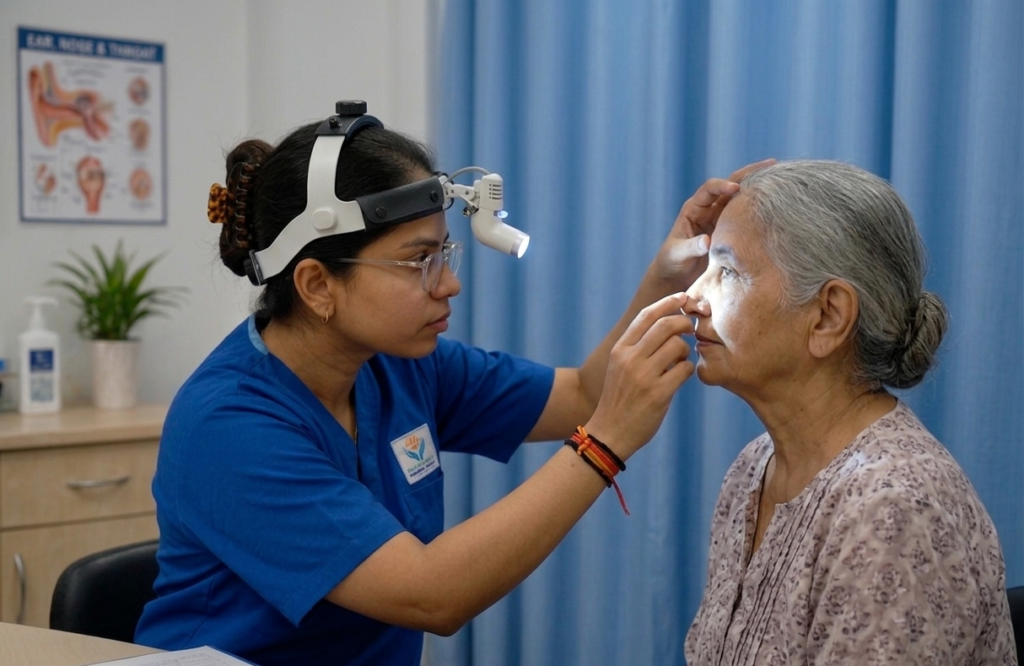
Have you ever noticed a tender, painful bump right at the opening of your nostril, accompanied by crusting or redness? This is likely nasal vestibulitis, a common bacterial infection affecting the hair follicles just inside the nose. While often mild, it can become painful or recurrent if ignored. Knowing how to manage it safely at home—and when to see a doctor—can prevent complications.
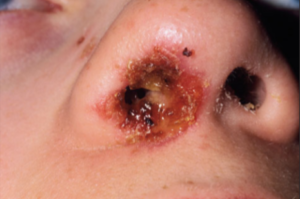
What Is Nasal Vestibulitis?
Nasal vestibulitis is an infection of the nasal vestibule, the skin-lined entrance of the nose where nostril hairs grow. It is most often caused by the bacterium Staphylococcus aureus, which enters through tiny cuts or irritations.
Common triggers include:
Frequent nose picking or blowing
Plucking or trimming nose hairs
Chronic dryness or cracked skin
Underlying conditions like eczema, diabetes etc
Unlike a simple cold, this condition involves localized pain, swelling, and sometimes pus-filled boils (vestibular furunculosis). If untreated, it can spread—especially since the nose lies within the face’s “danger triangle,” where infections rarely reach deeper structures
Key Symptoms to Recognize
Watch for these signs early:
Sharp pain or tenderness inside the nostril
Red, swollen skin at the nose entrance
Yellow or brownish crusts
Small pimple-like bumps or boils
Itching, burning, or minor bleeding
Occasionally: fever or spreading redness
Safe Home Management: Do’s and Don’ts
✅ What to Do
❌ What to Avoid
Don’t pick your nose or pluck hairs—this worsens trauma and spreads infection.
Don’t squeeze or pop boils—this can push bacteria deeper, causing serious spread.
Don’t use alcohol, hydrogen peroxide, or harsh soaps—they irritate and delay healing.
Don’t ignore worsening signs like fever, spreading redness, or severe pain—seek care immediately
When to See a Doctor
Consult an ENT or healthcare provider if:
Symptoms don’t improve after 3–4 days of home care
You develop fever, chills, or spreading redness
Boils become large, very painful, or drain pus
Infections recur frequently
Prevention Tips for Long-Term Relief
Use a humidifier in dry winter months
Avoid smoke, strong perfumes, and pollution.
Support immunity with a diet rich in vitamin C, zinc, and omega-3 fatty acids
Treat allergies properly to reduce chronic nose-blowing.
Bottom line:
Nasal vestibulitis is usually mild and responds well to proper home care.
But never pick, pop, or ignore it—early, gentle treatment prevents pain, scarring, and rare but serious complications.
disclaimer : This blog is for educational purposes only and does not replace professional medical advice. Always consult a qualified healthcare provider for diagnosis and treatment.