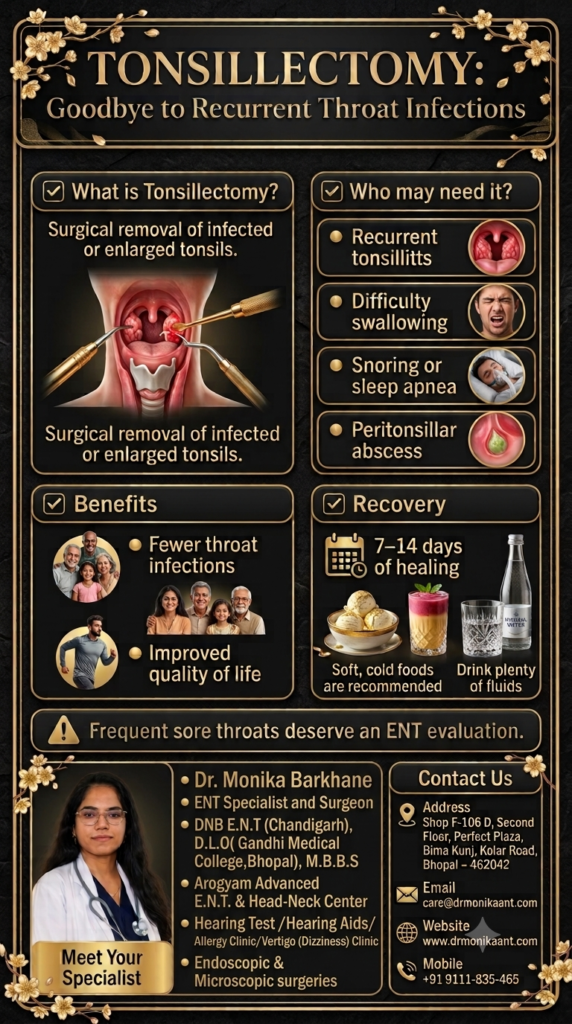
Tonsillectomy: Goodbye to Recurrent Throat Infections
If you or your child frequently suffer from sore throats, fever, painful swallowing, or repeated courses of antibiotics due to tonsillitis, it may be time to consider a long-term solution. While occasional throat infections are common, recurrent or severe tonsillitis can interfere with school, work, sleep, nutrition, and overall quality of life.
A tonsillectomy, the surgical removal of the tonsils, is one of the most commonly performed ENT procedures. Modern surgical techniques have made the procedure safe, effective, and associated with excellent long-term outcomes. For appropriately selected patients, tonsillectomy can significantly reduce throat infections, improve sleep, and enhance overall well-being.
What Are Tonsils?
The tonsils are two oval-shaped masses of lymphoid tissue located on either side of the back of the throat. They form part of the body’s immune system and help recognize bacteria and viruses entering through the mouth and nose.
Tonsils are most active during early childhood. As children grow, other immune tissues take over much of their function, making tonsil removal safe when medically indicated.
What Is a Tonsillectomy?
A tonsillectomy is a surgical procedure to remove one or both tonsils when they become chronically infected or enlarged and begin causing health problems.
The procedure is performed by an ENT (Ear, Nose & Throat) specialist under general anesthesia. Since the surgery is done entirely through the mouth, there are no external cuts or visible scars.
Why Do Tonsils Become Problematic?
Although tonsils help fight infections, they can themselves become repeatedly infected or enlarged.
Common causes include:
Recurrent bacterial infections
Viral throat infections
Chronic inflammation
Enlarged tonsils due to repeated infections
Family predisposition
Obstructive enlargement affecting breathing
When infections become frequent or the tonsils interfere with breathing or swallowing, surgery may provide lasting relief.
Who May Need a Tonsillectomy?
Your ENT specialist may recommend tonsillectomy if you or your child experiences any of the following:
Recurrent Tonsillitis
Frequent episodes of tonsillitis are the most common indication.
Symptoms include:
Severe sore throat
Fever
Difficulty swallowing
Swollen neck glands
White patches or pus on the tonsils
Bad breath
Repeated infections often require multiple antibiotic courses and may disrupt daily life.
Difficulty Swallowing
Very large tonsils can partially block the throat, making swallowing uncomfortable or difficult.
Children may:
Eat slowly
Avoid solid foods
Lose weight
Choke while eating
Snoring and Sleep Apnea
Enlarged tonsils are a leading cause of obstructive sleep apnea in children.
Symptoms include:
Loud snoring
Pauses in breathing during sleep
Restless sleep
Mouth breathing
Daytime sleepiness
Poor school performance
Hyperactivity or irritability
Removing enlarged tonsils often results in significant improvement in sleep quality and breathing.
Chronic Tonsillitis
Some patients experience persistent throat discomfort, bad breath, and inflamed tonsils even without repeated high fever episodes.
This chronic inflammation can significantly affect daily comfort and quality of life.
Symptoms That Should Not Be Ignored
Consult an ENT specialist if you notice:
Frequent sore throats
Recurrent fever with throat pain
Difficulty swallowing
Loud snoring
Sleep apnea
Mouth breathing
Enlarged tonsils
Persistent bad breath
Recurrent tonsil stones
Multiple antibiotic courses every year
Early evaluation can prevent complications and improve long-term health.
How Is Tonsillitis Diagnosed?
Diagnosis usually includes:
Medical History
Your ENT specialist will ask about:
Number of throat infections each year
Fever episodes
Difficulty swallowing
Snoring
Sleep disturbances
Previous antibiotic treatments
Physical Examination
The throat is examined for:
Enlarged tonsils
Redness
Pus
Tonsil stones
Signs of chronic infection
Additional Investigations
When required, your doctor may advise:
Blood tests
Throat swab
Sleep study (for suspected sleep apnea)
When Is Tonsillectomy Recommended?
Surgery may be advised when symptoms persist despite appropriate medical treatment.
Common indications include:
Recurrent bacterial tonsillitis
Chronic tonsillitis
Enlarged tonsils causing airway obstruction
Obstructive sleep apnea
Difficulty swallowing
Peritonsillar abscess
Suspicion of tonsillar tumor (rare in adults)
Your ENT surgeon will assess your symptoms, frequency of infections, and overall health before recommending surgery.
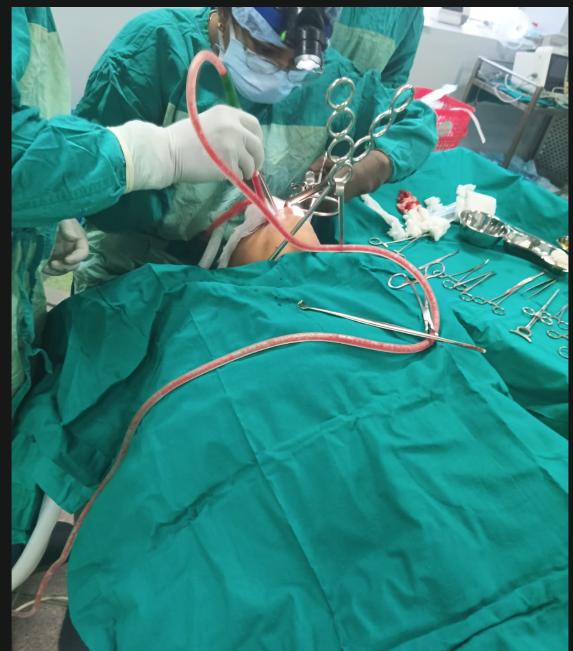
How Is Tonsillectomy Performed?
The procedure generally follows these steps:
General anesthesia is administered.
The mouth is gently opened using a specialized instrument.
The tonsils are carefully removed.
Bleeding is controlled using modern surgical techniques.
No external stitches or skin incisions are required.
Benefits of Tonsillectomy
For carefully selected patients, the benefits are substantial.
Fewer Throat Infections
The frequency and severity of sore throats usually decrease significantly after surgery.
Better Sleep
Children and adults with enlarged tonsils often experience:
Reduced snoring
Improved breathing
Better sleep quality
Reduced daytime fatigue
Easier Swallowing
Removing enlarged tonsils creates more space in the throat, making eating and swallowing much more comfortable.
Improved Quality of Life
Many patients notice:
Fewer missed school or work days
Reduced need for antibiotics
Improved appetite
Better concentration
Increased energy levels
Better overall health
Improved Growth in Children
Children with obstructive enlarged tonsils often experience improved appetite, better sleep, and healthier growth after surgery.
Recovery After Tonsillectomy
Common Symptoms During Recovery
Patients may experience:
Sore throat
Ear pain (referred pain)
Mild fever
Bad breath
Difficulty swallowing
These symptoms gradually improve as healing progresses.
Diet After Surgery
Soft, cool foods are recommended during recovery.
Good options include:
Ice cream
Yogurt
Custard
Khichdi
Mashed potatoes
Oatmeal
Smoothies
Cold milk
Soup (lukewarm)
Avoid:
Hot foods
Spicy foods
Crunchy snacks
Citrus juices during the initial healing period
Hydration Is Essential
Drinking plenty of fluids is extremely important.
Adequate hydration:
Reduces pain
Speeds healing
Prevents dehydration
Lowers the risk of postoperative bleeding
Encourage frequent sips of water throughout the day.
Activity
Most patients should:
Rest
Avoid strenuous exercise for about two weeks
Return to school or work only after the ENT surgeon advises it
Frequently Asked Questions (FAQs)
Is tonsillectomy painful?
Some throat pain is expected during recovery, but it is effectively managed with prescribed pain medications, hydration, and a soft diet.
Will removing the tonsils weaken immunity?
No. The body has many other lymphoid tissues that continue to protect against infections. Studies have shown that tonsillectomy does not significantly weaken the immune system in otherwise healthy individuals.
Can adults undergo tonsillectomy?
Yes. Adults with recurrent tonsillitis, chronic throat infections, or sleep-disordered breathing can also benefit from tonsillectomy.
Can tonsillectomy and adenoidectomy be performed together?
Yes. In children, enlarged adenoids and tonsils often occur together, and both may be removed during the same operation if indicated.
When Should You See an ENT Specialist?
Schedule an ENT consultation if you or your child has:
Frequent sore throats
Recurrent tonsillitis
Difficulty swallowing
Loud snoring
Sleep apnea
Mouth breathing
Enlarged tonsils
Recurrent peritonsillar abscess
Persistent bad breath due to chronic tonsil disease
Multiple antibiotic treatments every year
Early diagnosis allows timely treatment and helps prevent long-term complications.
Final Thoughts
Recurring throat infections should never be accepted as a normal part of life. Chronic tonsillitis and enlarged tonsils can affect sleep, eating, speech, school performance, work productivity, and overall health. If symptoms continue despite appropriate medical treatment, a tonsillectomy offers a safe and effective long-term solution.
With modern surgical techniques, most patients recover well within two weeks and enjoy fewer throat infections, better sleep, easier swallowing, and a significantly improved quality of life.
If you or your child experiences frequent sore throats, persistent snoring, difficulty swallowing, or recurrent tonsil infections, consult an ENT specialist for a comprehensive evaluation. Early intervention can lead to better health, improved comfort, and lasting relief.
Disclaimer : This blog is for educational purposes only and does not replace professional medical advice. Always consult a qualified healthcare provider for diagnosis and treatment.