Have you ever woken up with a stuffy nose, itchy eyes, and endless sneezing that feels like your body is waging war on the air itself?
If so, you might be dealing with allergic rhinitis—commonly known as hay fever.
Affecting over 400 million people worldwide, this condition isn’t just annoying; it can disrupt your daily life, sleep, and even productivity. But the good news? Awareness is the first step to managing it effectively.
Let’s break it down.
What Exactly Is Allergic Rhinitis?
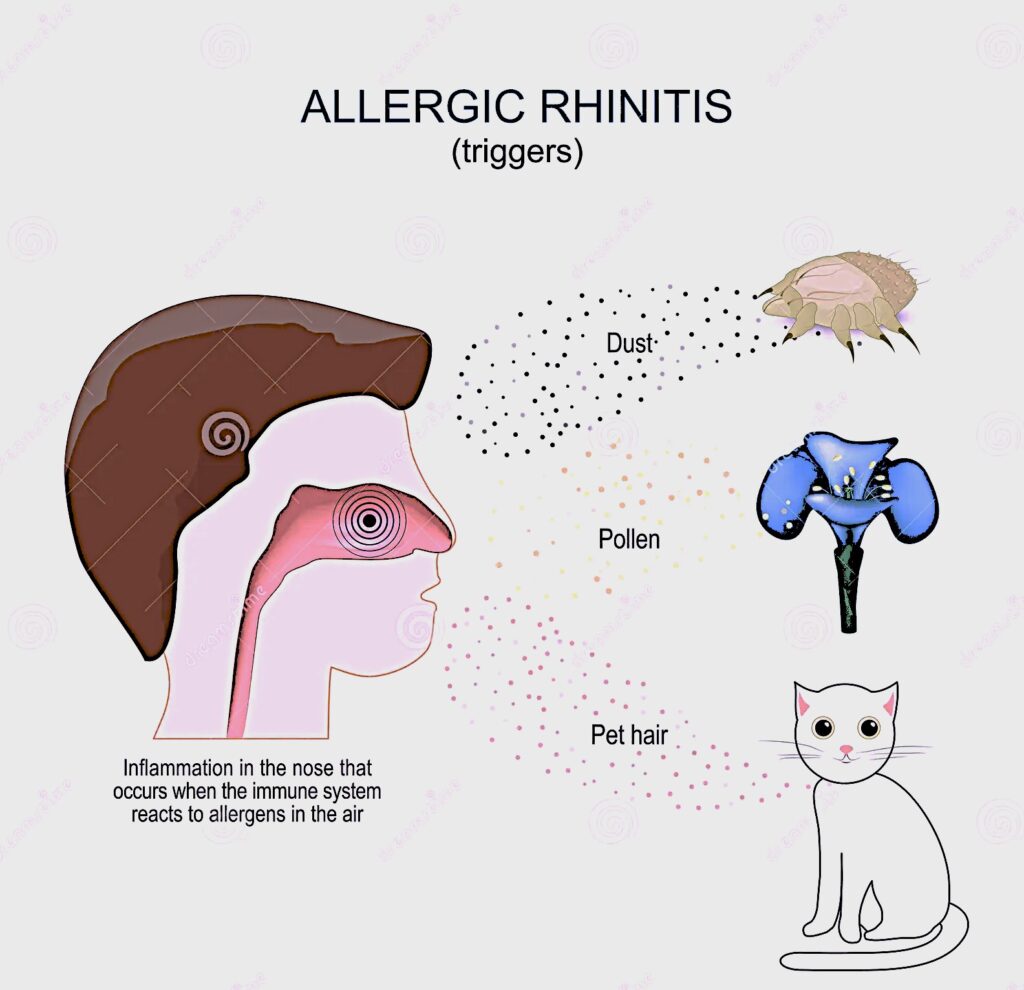
Allergic rhinitis happens when your immune system overreacts to harmless substances called allergens. Think of it like a faulty alarm system: pollen from trees, grasses, or weeds; dust mites in your bedding; pet dander; or mold spores trigger an exaggerated response. Your body releases histamine and other chemicals, causing inflammation in your nasal passages.
There are two main types:
seasonal (hay fever), which flares up during spring, summer, or fall pollen peaks, and
perennial, a year-round issue from indoor allergens like dust or pets. Symptoms mimic a cold but last longer—no fever, just misery: runny or stuffy nose, sneezing, itchy nose/throat/eyes, postnasal drip, fatigue, and even headaches.
Why Does It Happen and Who’s at Risk?
Genetics play a big role—if your parents have allergies, you’re more likely to inherit them.
Environmental factors like pollution, climate change (longer pollen seasons),
and
urban living amp up exposure.
Children and young adults are common targets, but it can strike anyone.
In India, where monsoon molds and winter smog add fuel, millions battle it silently.
Spotting the Signs and Getting Diagnosed
Clinical Presentation and Diagnosis
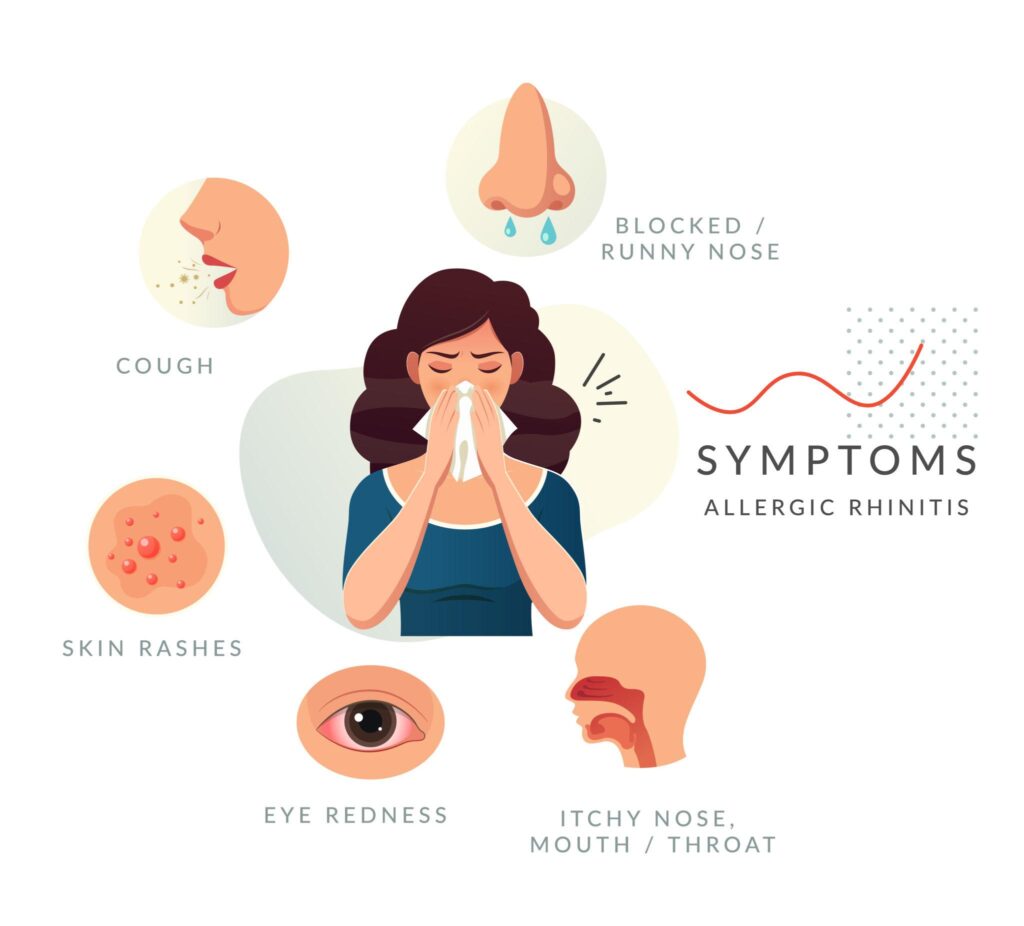
Characteristic symptoms include rhinorrhea, nasal obstruction, paroxysmal sneezing, pruritus of the nasopharynx and eyes, and postnasal drip. Associated complaints may encompass fatigue, headache, and sleep disturbances. Differential diagnosis excludes viral infections via absence of fever and prolonged duration.
Diagnostic confirmation involves detailed history, physical examination, and confirmatory testing: skin prick tests or serum-specific IgE assays identify allergens. Early intervention mitigates secondary complications, including sinusitis, otitis media, and asthma exacerbation.
Don’t brush it off as “just allergies.”
Chronic symptoms can lead to sinus infections, ear issues, or asthma worsening.
Track your triggers:
Does it hit outdoors in the mornings?
Around cats?
After eating anything specific ?
After any temperature variation ?
Early diagnosis prevents complications.
Symptoms
-
Nasal congestion or obstruction, often worse at night or on waking.
-
Rhinorrhea (runny nose), typically clear and watery.
-
Paroxysmal sneezing, frequently in fits.
-
Nasal and ocular pruritus (itching of nose, eyes, or palate).
-
Postnasal drip, which may cause throat clearing or cough.
-
Associated complaints: reduced sense of smell (hyposmia), headache, fatigue, and sleep disturbance.
-
Complications if untreated: recurrent sinusitis, otitis media, and worsening of comorbid asthma.
Do’s and Don’ts (practical patient guidance)
Do’s
-
Do identify and avoid known triggers where possible (pollen peaks, dust mites, pet exposure).
-
Do use environmental controls: HEPA filtration, keep windows closed during high pollen counts, wash bedding weekly in hot water, use allergen-proof mattress and pillow covers.
-
Do follow regular pharmacotherapy when advised: non-sedating antihistamines for sneezing/itch, daily intranasal corticosteroids for inflammation, and saline nasal irrigation for symptomatic relief.
-
Do seek medical evaluation (allergist or ENT) for diagnostic testing (skin prick test or serum-specific IgE) if symptoms are persistent, severe, or impair quality of life.
-
Do consider allergen immunotherapy for long-term control when indicated; it can provide durable benefit after a course of treatment.
Don’ts
-
Don’t rely on short-term decongestant sprays for prolonged periods (risk of rebound congestion).
-
Don’t ignore persistent symptoms; untreated allergic rhinitis can lead to complications and reduced daily functioning.
-
Don’t use non-sterile water for nasal irrigation; use distilled, boiled (and cooled), or sterile water to avoid infection risk.
-
Don’t self-prescribe potent medications long-term without professional advice (e.g., systemic steroids) because of potential side effects.
Here are clear, practical, evidence-based steps to manage allergic rhinitis at home safely, organized for quick use. Each recommendation is followed by a trusted source.
-
Avoidance and environmental control (first line)
-
Monitor local pollen counts and stay indoors when counts are high, especially during morning hours and windy days.
-
Keep windows and doors closed during high pollen seasons and use air conditioning with clean filters when possible.
-
Use a HEPA air purifier in bedrooms and living areas to reduce airborne allergens.
-
Reduce indoor dust-mite exposure: wash bedding weekly in hot water, use allergen-proof mattress and pillow covers, and remove heavy carpets or vacuum with a HEPA-filter vacuum.
-
Control damp and mold by using dehumidifiers, fixing leaks, and ventilating bathrooms and kitchens.
-
Limit pet exposure: keep pets out of bedrooms, bathe and groom them outdoors when possible, and wash pet bedding frequently.
Don’ts — avoid these common mistakes
-
Don’t use nasal decongestant sprays for more than 3 days in a row; prolonged use causes rebound congestion.
-
Don’t ignore persistent symptoms—untreated allergic rhinitis can lead to sinus infections or worsen asthma. Seek medical review if symptoms do not improve.
-
Don’t self-prescribe systemic corticosteroids or other potent medications long-term without clinician supervision because of side effects.
When to seek medical care
-
Seek prompt medical attention if you have severe breathing difficulty, high fever, symptoms suggestive of sinus infection (facial pain, thick discolored nasal discharge), symptoms that interfere with sleep or daily activities, or if OTC treatments are ineffective.
Optional longer-term options (discuss with a clinician)
-
Allergen immunotherapy (subcutaneous injections or sublingual tablets) may be recommended for patients with persistent, severe symptoms not controlled by avoidance and medications; it can produce long-term improvement.
Avoidance is key:
-
Stay indoors during high pollen counts (check apps like Pollen.com or local forecasts).
-
Use air purifiers with HEPA filters; keep windows closed.
-
Wash bedding weekly in hot water to kill dust mites; opt for allergen-proof covers.
-
Shower after outdoor time to rinse pollen.
For tougher cases, doctors prescribe immunotherapy (allergy shots or tablets) to build tolerance over time—up to 80% effective long-term.
Lifestyle Tips for Lasting Control
Eat anti-inflammatory foods: turmeric, ginger, omega-3s from fish or flaxseeds.
Stay hydrated,
regular exercise
and manage stress.
Quit smoking;
avoid strong scents.
Implement mite-control protocols: weekly hot-water laundering of linens and encasement of mattresses.
Allergic rhinitis isn’t curable, but it’s very manageable. With smart habits, most people reclaim their sniffle-free lives.
If symptoms persist or interfere with sleep/work, consult a doctor promptly.
You’re not alone—awareness empowers you!
Disclaimer: This blog is for educational purposes only and does not replace professional medical advice. Always consult a qualified healthcare provider for diagnosis and treatment.